
Les Hôpitaux Universitaires de Genève (HUG) – Cluse-Roseraie

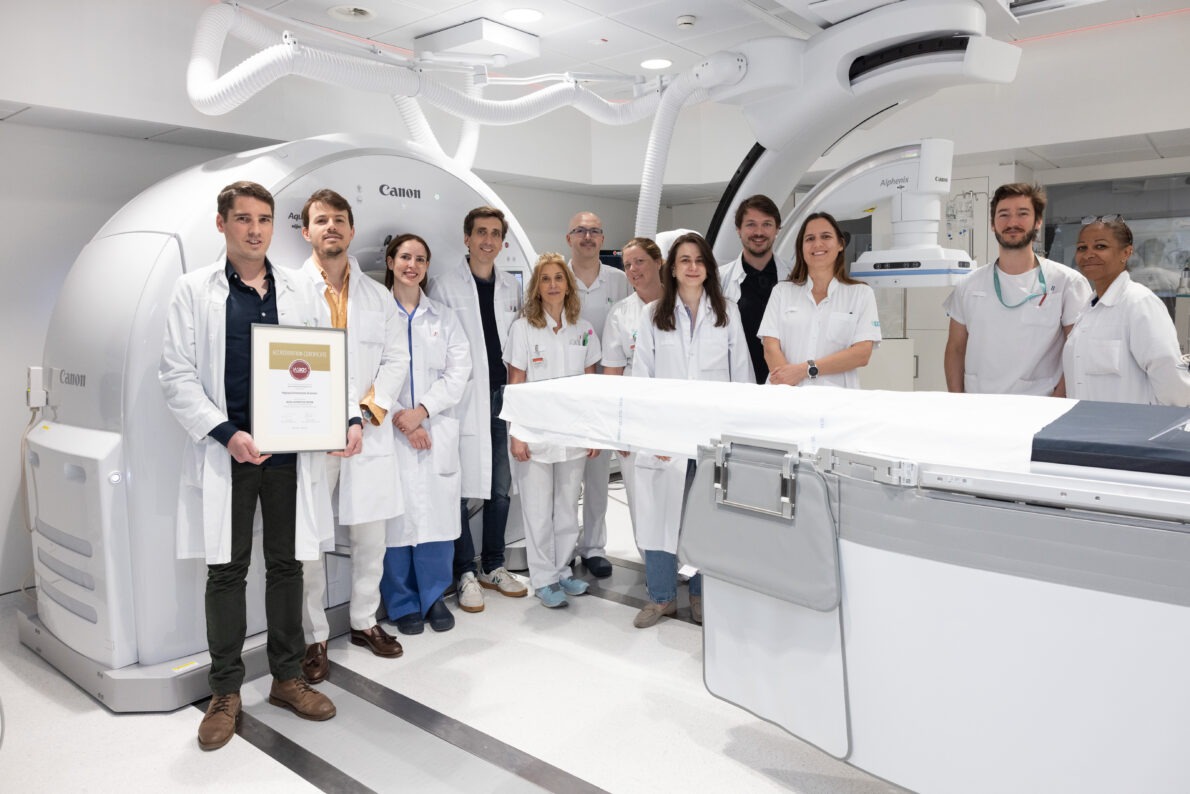
About the facility
Geneva University Hospitals (Hôpitaux Universitaires de Genève, HUG) is a public university hospital network in Geneva, Switzerland, providing specialist medical care, education and research. At its Cluse-Roseraie campus, the Radiology Department offers minimally invasive, image-guided cancer treatments in collaboration with specialist oncology, hepatobiliary and surgical services. Its interventional oncology activities include tumour ablation, liver-directed therapies and procedures to manage biliary obstruction. The department has dedicated interventional radiology suites, including advanced angiography equipment with 3D imaging capabilities. Some liver tumour treatments, such as radioembolisation, can be performed on an outpatient basis.
Cancers and conditions treated
- Primary liver cancer, including hepatocellular carcinoma
- Selected liver metastases
- Hepatobiliary tumours requiring image-guided treatment
- Malignant biliary obstruction
- Selected tumours requiring image-guided biopsy or local treatment
Interventional oncology procedures
- Radiofrequency ablation (RFA) of liver tumours
- Transarterial chemoembolisation (TACE)
- Transarterial radioembolisation (TARE/SIRT)
- Portal vein embolisation
- Ultrasound-, CT- and MRI-guided biopsies
- Percutaneous biliary drainage and stenting
- Image-guided vascular embolisation
Our IASIOS experience
“Enrolling the Abdominal and Interventional Radiology Unit at Geneva University Hospitals (HUG) in the IASIOS accreditation program has been a rewarding milestone for our team. Navigating this rigorous process allowed us to thoroughly analyze our service lines and cross-sectionally review our interventional oncology patient pathways.
By aligning our clinical workflows with the CIRSE Standards of Quality Assurance, we have challenged ourselves to further elevate our daily practices. IASIOS places the patient squarely at the center of care while firmly positioning the interventional radiologist as a major, formalized player within the multidisciplinary oncology ecosystem. This certification process has been invaluable in helping us standardize, coordinate, and continuously improve our delivery of high-quality, image-guided cancer treatments. It powerfully affirms our unit’s unwavering commitment to safety, excellence, and optimal clinical outcomes for every patient we treat.”